Coriander Companions: The Herbs That Make Your Garden Thrive
Cilantro Companions: The Herbs That Make Your Garden Thrive
Cilantro is a delicious and versatile herb that can be used in a variety of dishes. It's also a great companion plant, meaning that it can help to improve the growth and health of other plants in your garden.
In this blog post, we'll discuss some of the best cilantro companions. We'll also talk about how to plant and care for cilantro, so that you can enjoy this delicious herb all season long.
What are cilantro companions?
Companion planting is a gardening technique that involves planting certain plants together in order to benefit each other. Some plants help to attract beneficial insects, while others help to deter pests. Some plants also help to improve the soil quality or provide shade.
Cilantro is a great companion plant for a variety of other herbs and vegetables. It can help to repel pests, attract beneficial insects, and improve the soil quality.
What are some of the best cilantro companions?
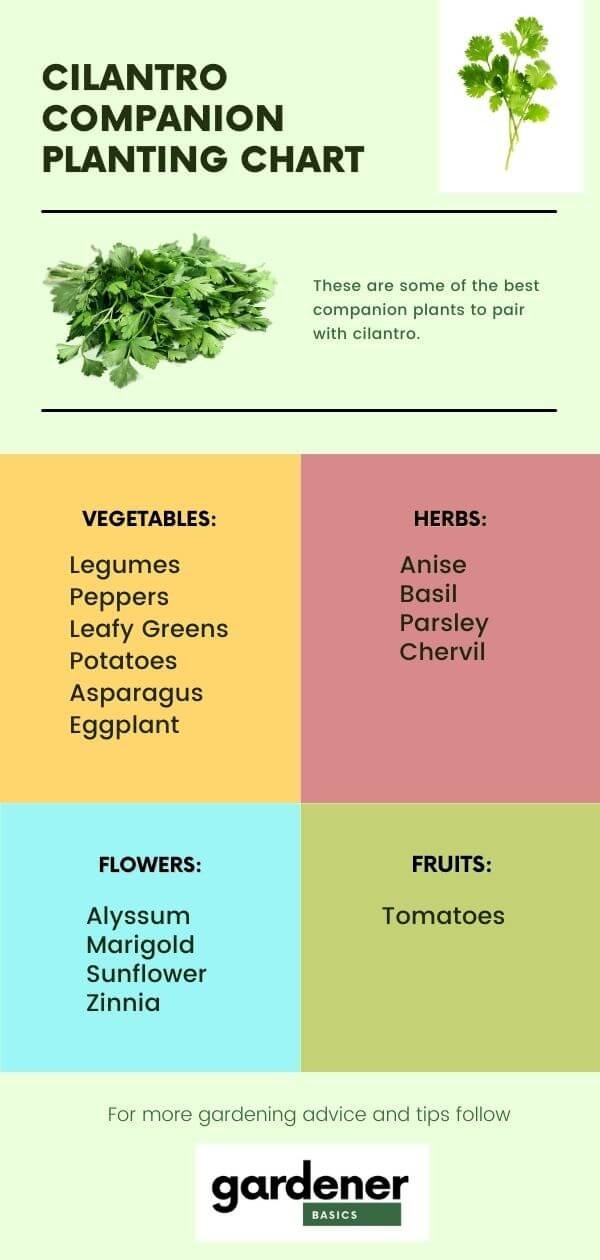
Here are some of the best cilantro companions:
- Dill: Dill is a great companion for cilantro because it has similar growing conditions. Both plants need full sun and well-drained soil. Dill also helps to repel pests, such as aphids and spider mites.
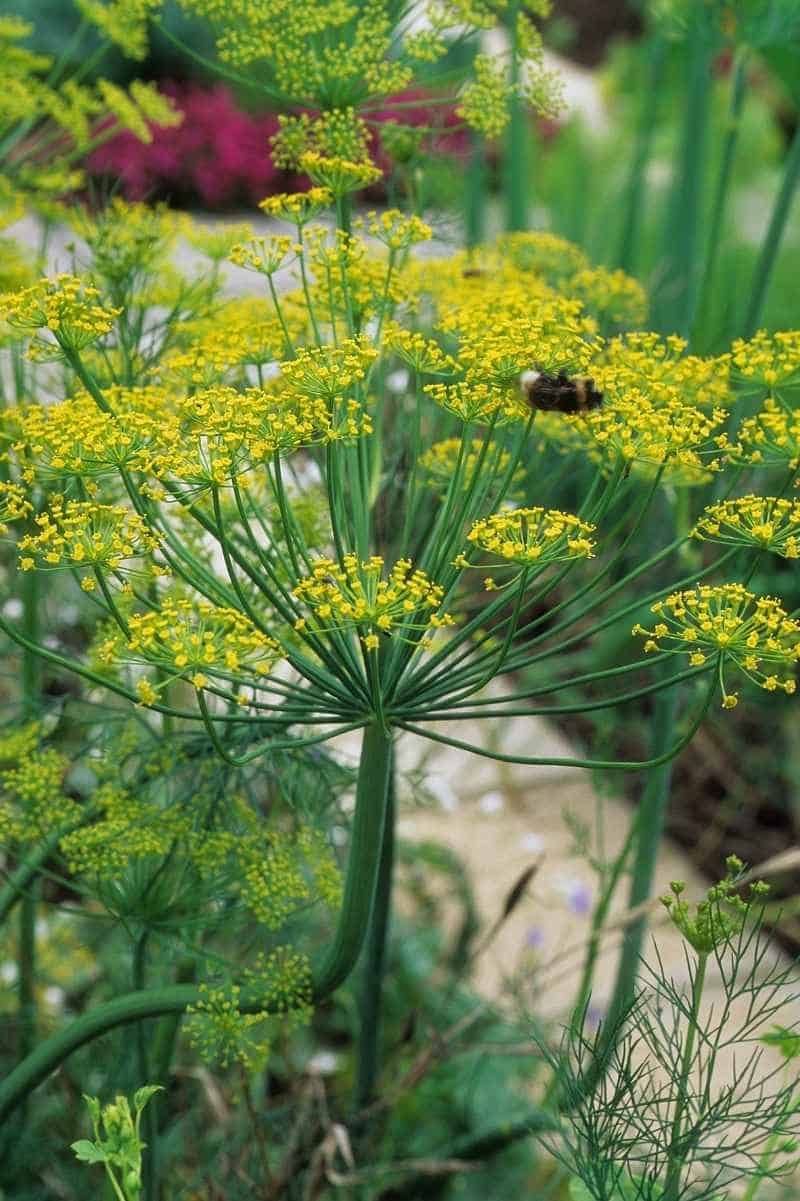
- Parsley: Parsley is another great companion for cilantro. It has similar growing conditions and also helps to repel pests. Parsley and cilantro can also be used together in many dishes.
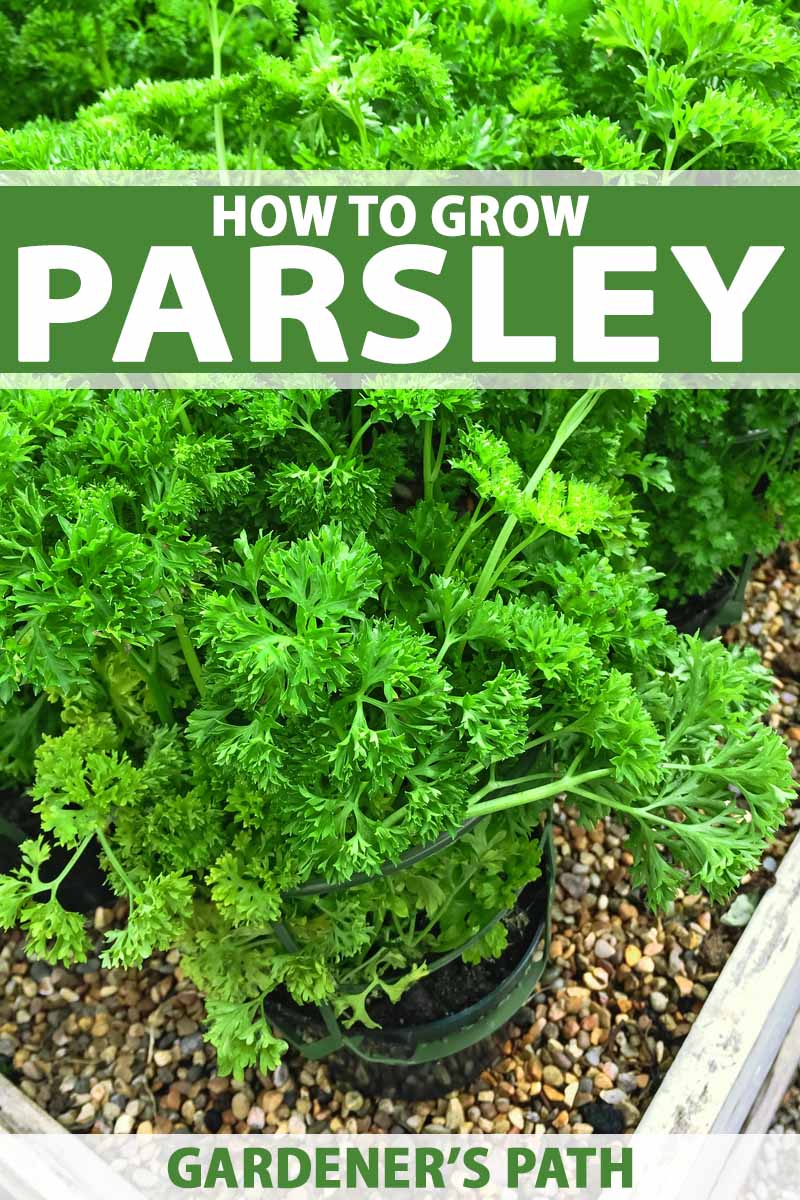
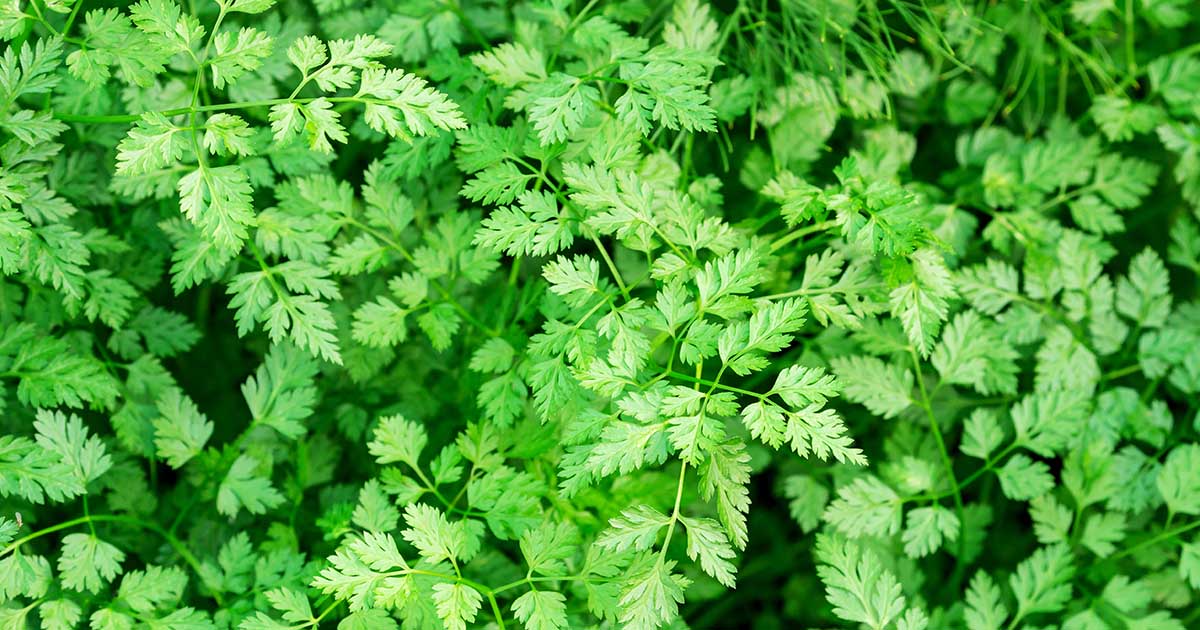
- Chervil: Chervil is a less common herb, but it's a great companion for cilantro. It has a similar flavor to cilantro, and it also helps to attract beneficial insects.
- Marigolds: Marigolds are not herbs, but they make great companion plants for cilantro. They help to deter pests, such as nematodes and aphids. Marigolds also add a splash of color to your garden.

- Tomatoes: Tomatoes are a good companion plant for cilantro because they provide shade. This can help to extend the cilantro's growing season. Tomatoes also help to attract beneficial insects, such as ladybugs.
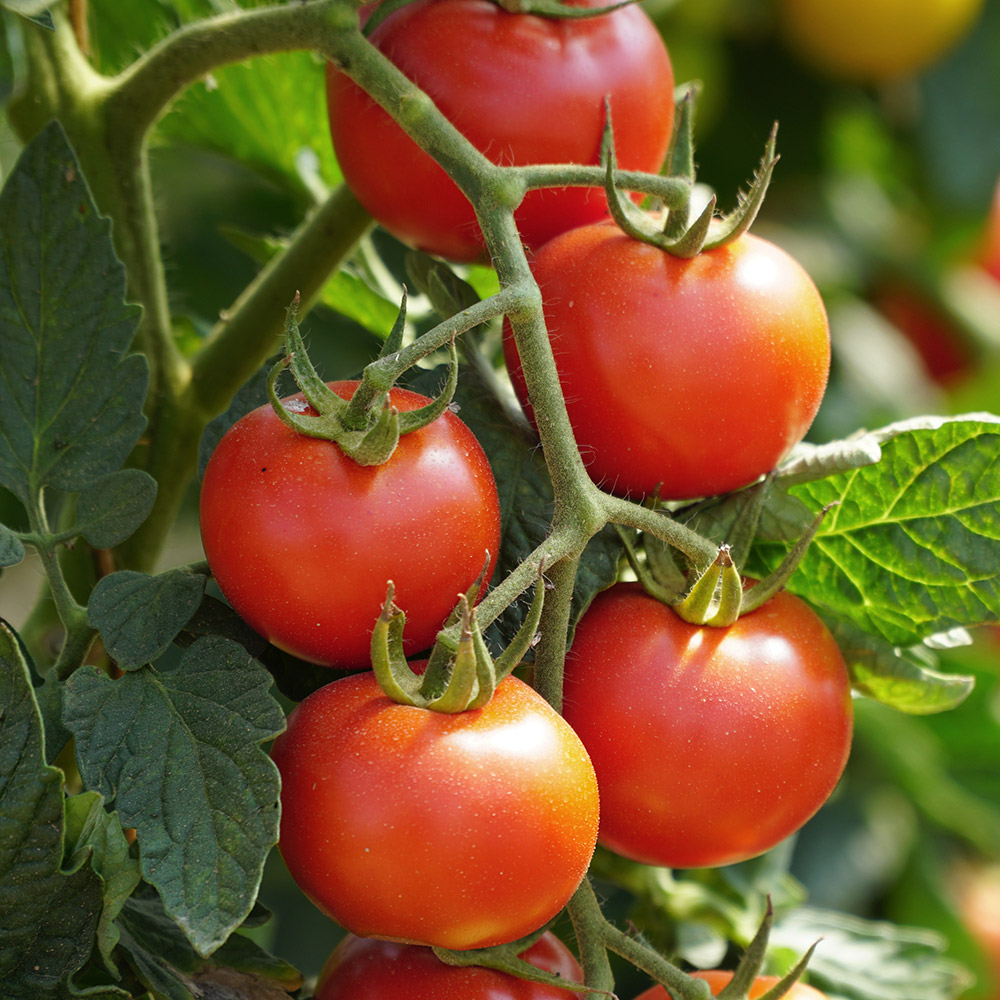
- Potatoes: Potatoes are another good companion plant for cilantro. They help to attract beneficial insects, such as ladybugs and lacewings. Potatoes also help to improve the soil quality, which can benefit cilantro.

How to plant and care for cilantro
Cilantro is a relatively easy herb to plant and care for. Here are some tips:
- Plant cilantro in full sun.
- Plant cilantro in well-drained soil.
- Water cilantro regularly, especially during hot weather.
- Harvest cilantro leaves when they are young and tender.
Conclusion
Cilantro is a delicious and versatile herb that can be used in a variety of dishes. It's also a great companion plant, meaning that it can help to improve the growth and health of other plants in your garden.
If you're looking for ways to improve your garden, consider planting cilantro. It's a great way to attract beneficial insects, deter pests, and improve the soil quality.
Coriander is a versatile herb that can be used in a variety of dishes. But did you know that there are certain plants that can actually enhance the flavor of coriander? These companion plants, as they are called, can help to deter pests, improve the soil quality, and even increase the yield of your coriander plants.
If you're interested in learning more about coriander companion plants, I recommend visiting Gardenia Inspiration. This website has a wealth of information on the topic, including a list of specific plants that are known to be good companions for coriander.
In addition to providing information on companion plants, Gardenia Inspiration also offers tips on how to grow coriander, recipes that feature coriander, and even a forum where you can ask questions and get advice from other coriander growers.
So if you're looking for a way to improve the flavor of your coriander plants, or if you're simply interested in learning more about this versatile herb, I encourage you to visit Gardenia Inspiration.
FAQ of coriander companion
Q: What are the best companion plants for coriander?
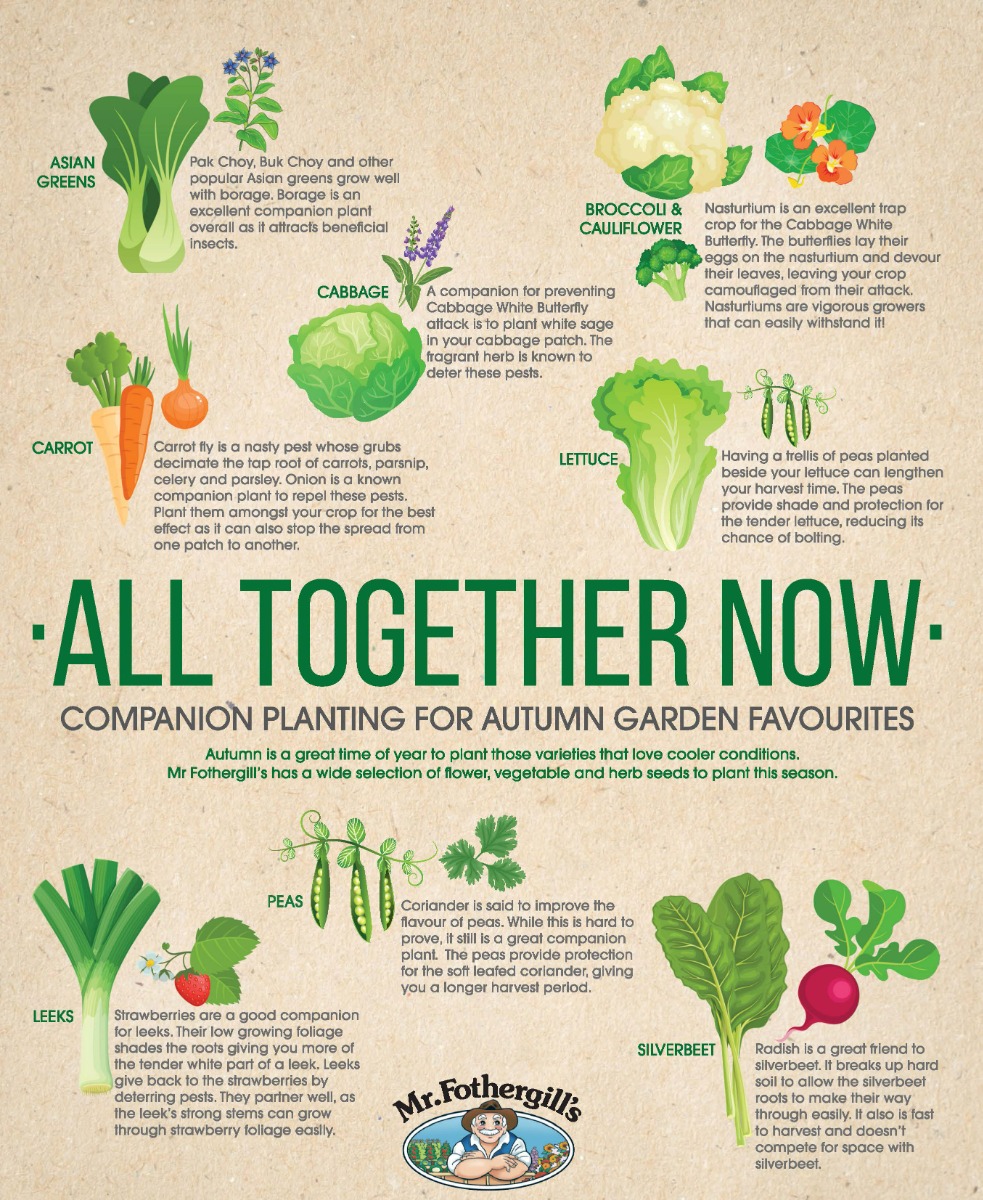
A: Coriander is a great companion plant for many other herbs, including dill, anise, parsley, and carrots. These plants all help to attract beneficial insects, such as ladybugs and hoverflies, which help to control pests. Coriander also helps to repel some pests, such as carrot flies.
Q: What are the benefits of companion planting with coriander?
A: There are many benefits to companion planting with coriander. As mentioned above, coriander helps to attract beneficial insects and repel pests. It also helps to improve the soil by breaking down organic matter and releasing nutrients. Additionally, coriander can help to mask the smell of other plants, which can deter pests.
Q: What are some common mistakes people make when companion planting with coriander?
A: Some common mistakes people make when companion planting with coriander include planting it near plants that are susceptible to the same pests, such as carrots. Additionally, coriander should not be planted near plants that are heavy feeders, such as tomatoes.
Q: How do I choose the right companion plants for coriander?
A: When choosing companion plants for coriander, it is important to consider the following factors:
- The growth habits of the plants. Coriander is a relatively short-lived plant, so it is best to choose companion plants that will not outgrow it.
- The needs of the plants. Coriander prefers full sun and well-drained soil. It is also a heavy feeder, so it is important to choose companion plants that have similar needs.
- The pests and diseases that are common in your area. Choose companion plants that will help to deter or control pests and diseases that are common in your area.
Image of coriander companion
- Image 1: A photo of a coriander plant next to a tomato plant. The caption reads "Coriander companion planting: Coriander and tomatoes are a great companion plant pairing. The coriander helps to deter pests from the tomatoes, and the tomatoes provide support for the coriander."
- Image 2: A photo of a coriander plant next to a basil plant. The caption reads "Coriander and basil are both members of the mint family, and they make great companion plants. They help to repel each other's pests, and they also taste great together in recipes."
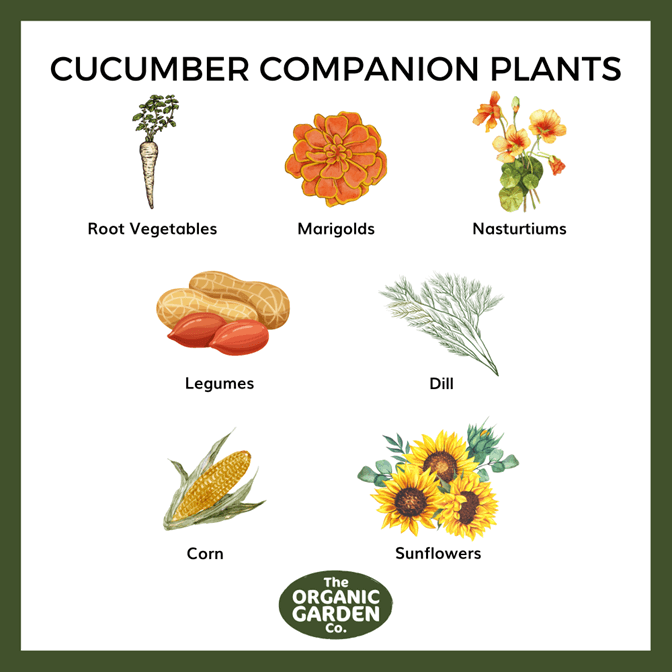
- Image 3: A photo of a coriander plant next to a cucumber plant. The caption reads "Coriander and cucumbers are another great companion plant pairing. The coriander helps to deter cucumber beetles, and the cucumbers provide support for the coriander."
- Image 4: A photo of a coriander plant next to a carrot plant. The caption reads "Coriander and carrots are also good companion plants. The coriander helps to deter carrot flies, and the carrots provide support for the coriander."
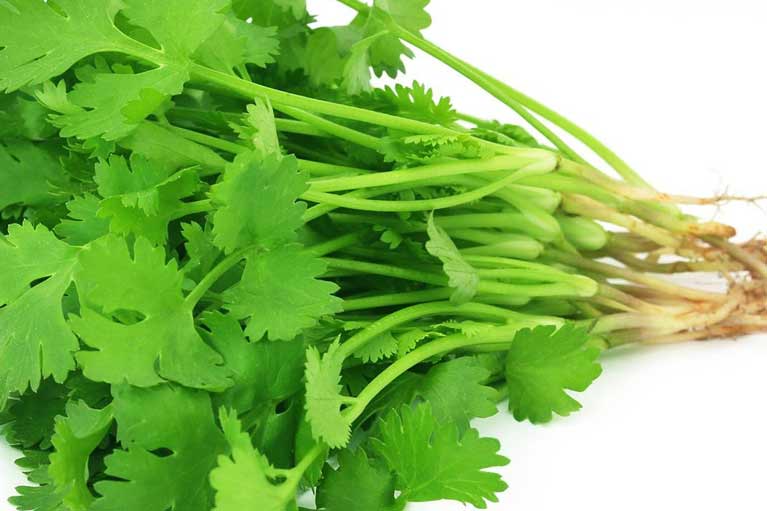
- Image 5: A photo of a coriander plant next to a lettuce plant. The caption reads "Coriander and lettuce are a final great companion plant pairing. The coriander helps to deter aphids, and the lettuce provides support for the coriander."

Post a Comment for "Coriander Companions: The Herbs That Make Your Garden Thrive"